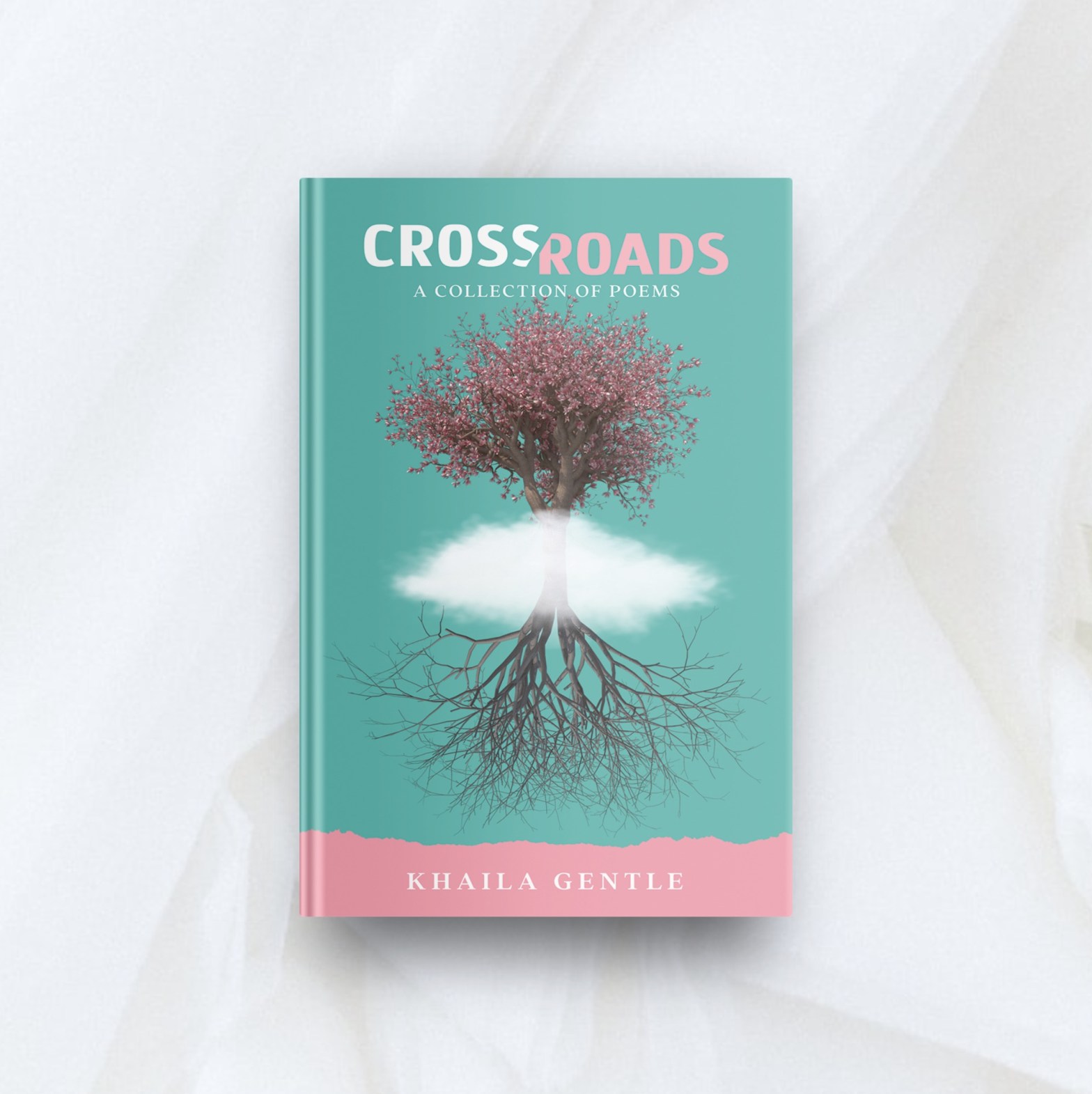
Crossroads was my first foray into the world of self-publishing. In May of 2021, this tiny book of poetry–into which I poured my heart and soul and all my vulnerability—became the representation of a dream realized. And while far from perfect, I am truly proud of my work. After putting Crossroads out into the world, I finally felt deserving of the title “author”, something that I had longed for for as long as I could remember. The process of getting Crossroads out into the world, however, was in itself a lesson—several lessons in fact—and the main things I learned were these:
1. Don’t Rush the Process

Good things take time. While the fast-paced nature of our current society might tempt you to think otherwise, it’s true.
Especially with the increased connectivity that comes along with social media, it can be really easy to compare your journey to that of others and wish that you could simply “hurry the hell up.” But success and goal getting don’t work like that, and if you want whatever thing you’re hoping to put out into the world to be of good quality then don’t be afraid to take your time.
That’s true even for books. Like one impassioned GoodReads reviewer put it, the growing urgency people feel to write, publish, and market books” before they are truly ready may sometimes lead to self-sabotage.
(The effect of late-stage capitalism on the publishing industry, however, can be an entire blog post in itself so I will leave it at that for now.)
Remember, take your time. Your audience is going nowhere soon.
2. You Don’t Have to Do It All on Your Own
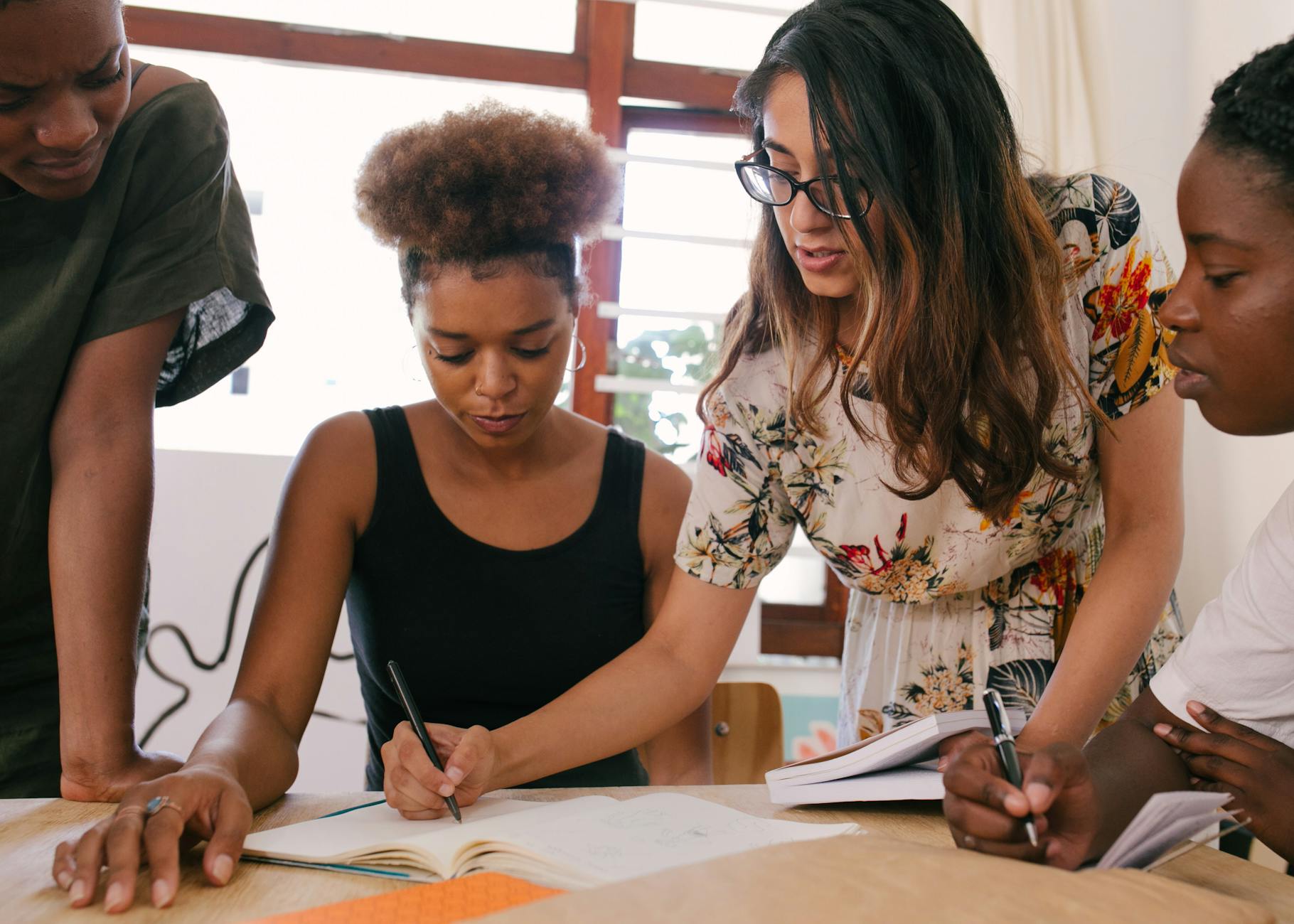
It’s okay to ask your community for help! This is something that I still struggle with to this day sometimes, but it’s important to remember that, much like raising a child, it sometimes takes a village to put out good work.
When I had finished publishing Crossroads, one of my peers asked me how come I hadn’t reached out to them for help (which would have probably lessened my load and my subsequent burnout). I didn’t have a proper answer for them. In my mind, “I struggle to ask for help” wasn’t a good enough response (*embarassed laughter*).
Now, though, I’m more than willing to lean on my fellow community members for assistance and guidance, and you should be too.
From editors to beta-readers and even close friends and family who help put your name out there, relying on others is nothing to be ashamed of and should, in fact, be a part of your journey.
3. Edit. Edit. Edit.
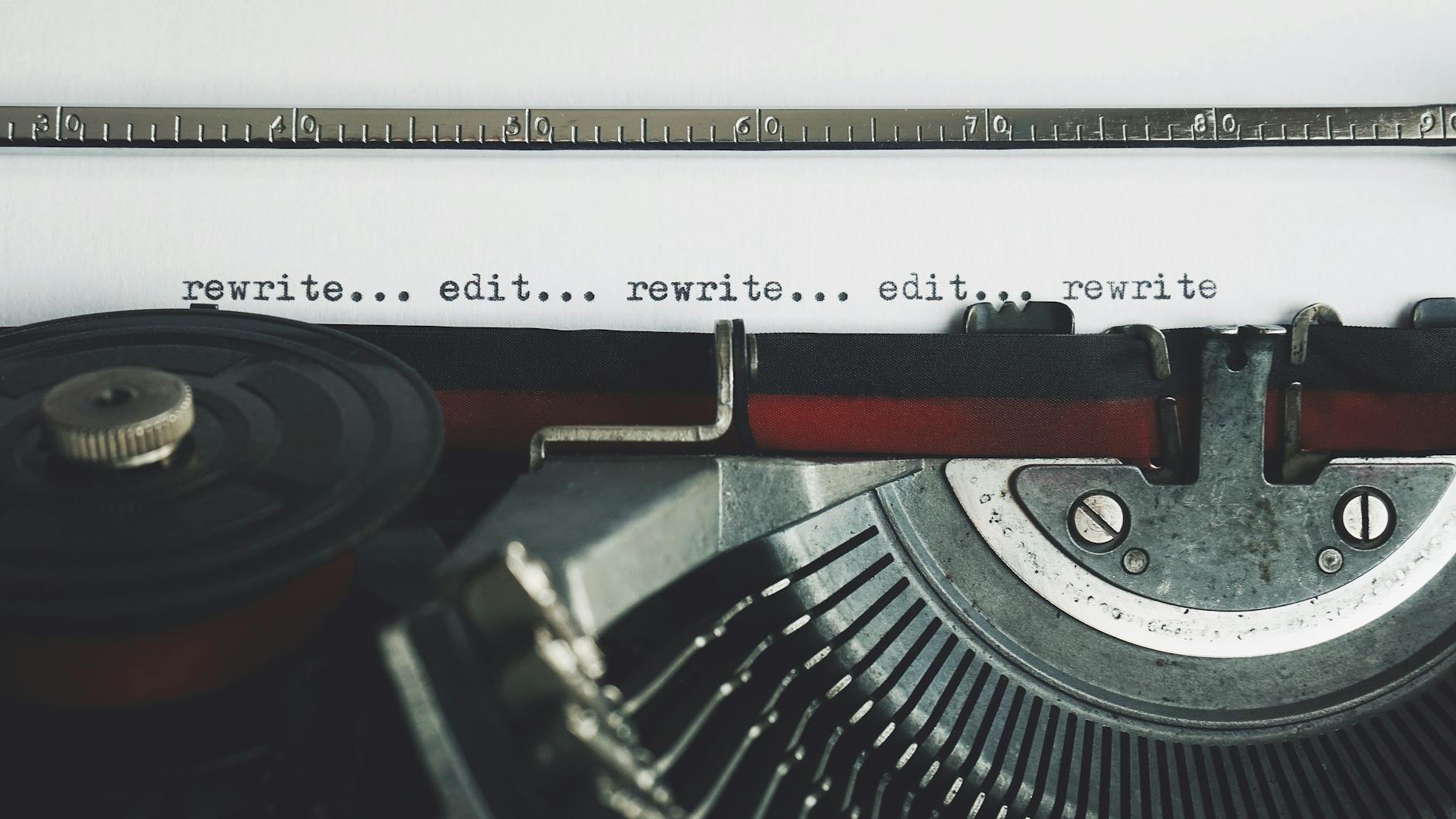
One of my main gripes (and I have many) with using generative AI for writing content* is that there are a lot of people who think that slapping whatever ChatGPT churned out onto a page and calling it a day is alright. It’s not. And that’s because even the greatest of writers benefit tremendously from the process of editing. Of course, that includes self-editing, but if you are hoping to publish, getting someone else to edit—and proofread—your work is highly recommended.
I’m sure many writers have had nightmares about missed typos showing up in their work only after everything has been printed. Enlisting the aid of an editor and/or proofreader can greatly lessen the quantity of those missed typos (though, one or two are sometimes inevitable regardless). It can also greatly improve the quality of your work.
Had I not opted to do everything on my own when publishing Crossroads (and found myself someone to help me proofread), I would have saved myself the trouble of having to take it off the shelves temporarily so that I could upload a new, proofread (and *fingers crossed* typo free) version.
Put simply: Even if you think you’ve done enough editing, you probably haven’t. (And, for the love of god, let someone else do the editing for you.)
Have you self-published before? What lessons did you learn on your journey? Feel free to share in the comments!
 Khaila A. Gentle